
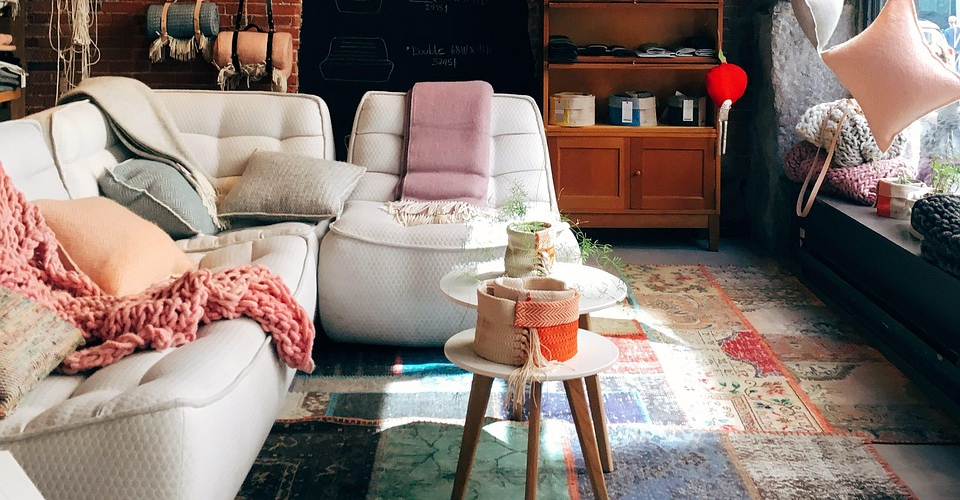

How To Properly Mix Home Decor Styles

You love the clean lines of modern design. But you also adore vintage brass, cozy farmhouse textures, and maybe a little Parisian flair. The problem? Putting it all together can quickly go from curated to chaotic.
That’s where mixing decor styles becomes an art — not an accident.
When done well, a mixed-style home feels layered, personal, and collected over time. It tells a story.
When done poorly, it feels like a furniture showroom clearance section.
The difference isn’t luck or innate talent. It’s understanding balance, proportion, and intention.
In this guide, I’ll walk you through exactly how to approach mixing decor styles with clarity and confidence. You’ll learn how to blend aesthetics without visual clutter, how to create cohesion across rooms, and how to make your home feel beautifully curated — not confused.
Why Mixing Decor Styles Actually Creates Better Design

There’s a reason professionally designed homes rarely stick to one rigid aesthetic. Strictly themed living room designs can feel flat or predictable. Real homes — the ones that feel warm and lived in — usually combine elements from multiple eras and influences.
Mixing home decor styles adds:
- Depth and dimension
- Personality and character
- Flexibility as your taste evolves
- A collected, high-end feel
Design psychology plays a role here. Our eyes naturally enjoy contrast. Smooth next to textured. Old beside new. Sleek paired with organic.
When everything matches too perfectly, there’s no tension — and without tension, there’s no visual interest.
The goal isn’t to throw random pieces together. It’s to create thoughtful contrast with an underlying thread that ties everything together.
Start With a Dominant Style

One of the biggest mistakes I see when people mix home decor styles? They try to combine five different styles equally. That rarely works.
When mixing decor styles, choose one dominant aesthetic to anchor the room. Think of it as your foundation. This should make up roughly 60–70% of the space. For example:
- Modern base + 30% vintage accents
- Traditional base + contemporary lighting
- Scandinavian base + organic boho textiles
Your dominant style determines:
- Main furniture shapes
- Architectural mood
- Core color palette
Without this anchor, the room feels visually unstable.
How to Choose Your Base Style
The determine a base home decor style, ask yourself:
- Which aesthetic do I consistently gravitate toward?
- What style best suits my home’s architecture?
- Which furniture pieces are staying long term?
Let those answers guide your foundation. Everything else layers on top.
The 70/30 Rule for Mixing Decor Styles
If you remember one practical rule, let it be this: use proportion intentionally.
The 70/30 rule is a simple interior design framework for mixing decor styles without overwhelming a space.
- 70%: Dominant style
- 30%: Secondary style
That 30% creates contrast and personality. It’s enough to be noticeable — but not disruptive.
Example: Modern + Rustic
- Modern sofa (clean lines), neutral rug, sleek coffee table
Then add:
- Reclaimed wood console, woven baskets, antique pottery
Suddenly the space feels warm and layered instead of sterile.
When you ignore proportion, styles compete. When you respect proportion, they collaborate.
How to Mix Decor Styles Using Color

If you’re nervous about combining decor styles, start with color. A cohesive palette is one of the strongest tools for creating visual harmony.
Even dramatically different furniture styles can feel intentional when they share a consistent color story.
Keep Your Palette Tight
Limit your room to:
- 2–3 core colors
- 1–2 accent tones
- Repeating metal finishes
For example: cream walls, warm oak wood tones, black metal accents
Now your mid-century chair and French-inspired mirror suddenly speak the same language.
Repeat Colors Across the Room
Repetition builds cohesion. If you introduce brass in a vintage lamp, repeat it in: cabinet hardware, picture frames, a tray or bowl
This repetition makes mixing decor styles feel deliberate, not accidental.
Blend Shapes and Silhouettes, Not Just Eras

Many people focus on time periods when mixing home decor styles. But shapes and silhouettes matter just as much.
If every piece in the room has ornate curves, it can feel heavy. If everything is boxy and angular, it can feel cold. Balance is key.
Mix Hard and Soft Lines
To combine shapes and create visual interest, try pairing:
- Structured sofas with curved accent chairs
- Clean-lined tables with organic pottery
- Sleek lighting with textured shades
This approach creates subtle contrast without screaming “two different styles.”
When blending decor styles, think in terms of visual weight and shape — not just labels like “modern” or “farmhouse.”
Avoid Over-Accessorizing Mixed Decor
Let’s address the elephant in the room: clutter.
The fastest way to ruin mixed decor styles is over-accessorizing. When too many competing elements enter the space, the eye doesn’t know where to land.
Create Breathing Room
- Leave negative space on shelves
- Limit statement pieces to 1-2 per surface
- Group items in odd numbers
If you’re combining ornate and minimal elements, the minimal pieces need room to shine. Editing is everything.
When a room feels cluttered or chaotic, remove 20% of the accessories. You’ll almost always improve it instantly.
Interior Style Mixing Ideas That Always Work
If you want foolproof style combinations, start here. These pairings naturally complement each other and almost always work well.
Modern + Traditional
- Contemporary sofa, classic patterned rug, antique wood coffee table
This blend feels timeless and refined.
Scandinavian + Boho
- Light wood furniture, white walls, layered textiles and greenery
Soft, organic, and relaxed.
Industrial + Farmhouse
- Black metal fixtures, shiplap or wood accents, vintage-inspired lighting
Balanced and approachable.
These interior style mixing ideas work because they share underlying elements— texture, tone, or scale.
Mixing Decor Styles Room by Room (Without Losing Flow)

One concern I hear often: “If I mix styles in every room, won’t my home feel disconnected?” It can — if you don’t create continuity.
Maintain a Home-Wide Thread
Choose 2–3 elements to repeat throughout your entire home:
- Consistent wall color family
- Similar wood tones
- Repeated metal finishes
- A unifying rug palette
Each room can lean slightly different while still feeling cohesive. As long as there’s overlap in color or materials, the flow stays intact.
Mixing decor styles across rooms works when there’s intention— not randomness.
How to Trust Yourself When Blending Decor Styles
At some point, rules need to give way to intuition. Design isn’t math. It’s rhythm.
When evaluating a room, ask:
- Does anything feel visually heavy on one side?
- Is one style overpowering the other?
- Does the room feel calm or chaotic?
If something feels “off,” it usually is. Try these adjustments:
- Swap two accessories
- Remove one large item
- Introduce a grounding rug
- Add symmetry
Small tweaks often restore balance.
The more you practice mixing decor styles thoughtfully, the more confident your instincts become.
Common Mixed Decor Mistakes

Even with good intentions, these pitfalls can derail a space.
1. Buying Statement Pieces Too Quickly
Layer slowly. Live with the room before adding bold items.
2. Ignoring Scale
Oversized traditional furniture next to tiny modern pieces feels awkward.
3. Mixing Too Many Wood Tones
Limit to 2–3 complementary finishes.
4. Forgetting Lighting
Lighting can bridge styles beautifully — especially transitional fixtures.
5. Trying to Copy Pinterest Exactly
Your architecture, ceiling height, and natural light matter. Adapt inspiration to your home.
When mixing decor styles, restraint is more powerful than excess.
The Confidence to Make It Yours
Here’s the truth: homes that feel deeply personal are rarely one style. They mix travel finds with modern staples. Heirlooms with new purchases. Clean lines with collected charm.
That’s the magic of mixing decor styles — it allows your home to grow with you.
When you anchor your design with a dominant style, respect proportion, unify with color, and edit thoughtfully, you create spaces that feel curated rather than chaotic.
You don’t need a design degree. You need clarity and confidence.
And now you have both.


