
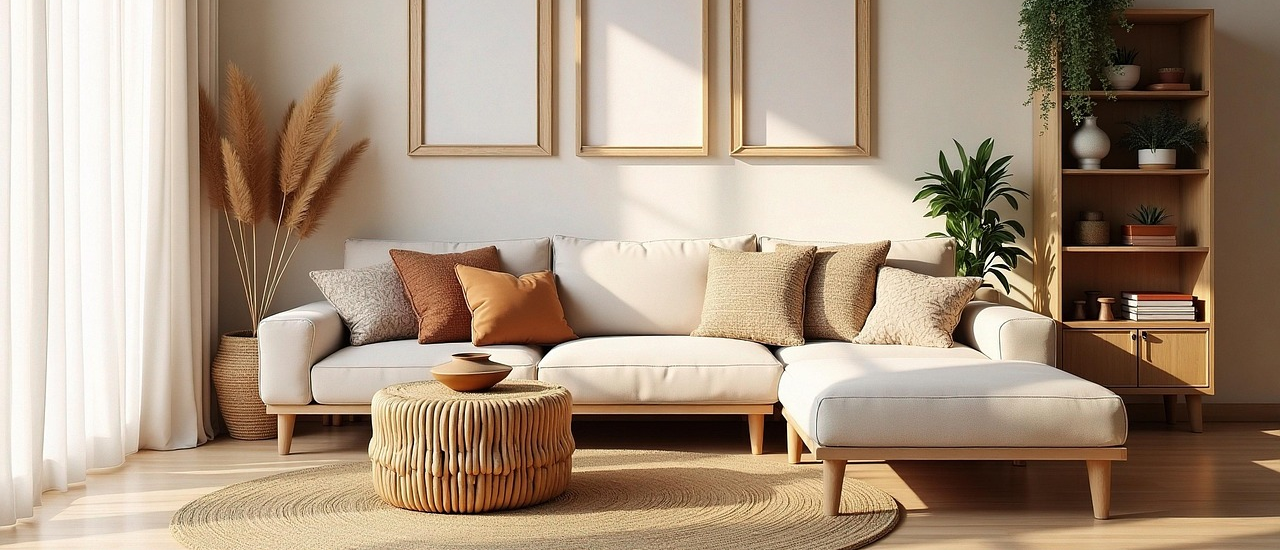

How to Design a Functional Living Room

A living room is more than just a room— it’s the heart of your home. It’s where family gathers for movie nights, friends linger over coffee, and quiet moments of reading or reflection happen. It has to look beautiful— but it also has to work.
Designing a space that’s both practical and beautiful can feel overwhelming, especially if you’re trying to balance comfort, style, and functionality.
This living room design guide will walk you through the entire process, step-by-step.
Whether your room is a compact city apartment or a spacious suburban living area, this DIY guide will provide you with through real-world solutions to create a living room that’s stylish, comfortable, and functional— that truly reflects you.
Living Room Layout Fundamentals

The foundation of any great living room starts with the layout. How furniture is arranged within the space will impact flow, comfort, and functionality more than any individual piece of décor.
Understand Your Space
Evaluate your room carefully:
- Note doors, windows, radiators, and vents
- Identify traffic patterns
- Consider natural light sources
Once you understand the room’s constraints, you can select furniture that fits proportionally and plan pathways that make sense for daily living.
Define Functional Zones
Most living rooms serve multiple purposes: lounging, entertaining, media viewing, reading, or even work-from-home setups. Creating zones gives each activity a defined space, which reduces clutter and improves flow.
- Conversation zones: Group sofas and chairs around a coffee table.
- Media zones: Position TV or entertainment consoles where viewing is comfortable from multiple seats.
- Play or homework zones: Use rugs or a small table to designate activity areas for kids.
- Floating furniture: Creates separation without walls.
Zoning helps your living room function efficiently, regardless of size.
Consider Flow and Circulation
Pathways should allow people to move naturally without bumping into furniture.
- Maintain 30–36 inches for main walkways
- Avoid placing large furniture near door swings
- Ensure seating allows easy access to tables, lighting, and storage
Good circulation makes a room feel open, organized, and functional.
Balance and Scale
Avoid crowding your room with oversized pieces and consider these tips:
- Arrange larger pieces opposite each other for visual balance
- Maintain 3–10 feet between seating for comfortable conversation
- Align furniture with focal points to avoid awkward sightlines
A well-scaled layout instantly makes the room feel spacious and inviting.
Choosing the Right Sofa & Seating Arrangement

The sofa is the centerpiece of your living room. Choosing the right size, style, and placement is crucial for both aesthetics and functionality.
Consider Sofa Styles
- Sectionals: Great for large living rooms or open floor plans. Consider modular options for increased flexibility.
- Standard sofas: Work well in most rooms; pair with chairs or benches.
- Loveseats: Ideal for small living room design or secondary seating. Great for maximizing the space without crowding the room.
Look for furniture with appropriate depth and arm height, ensuring it fits your lifestyle. Families with young children might prefer durable fabrics, while those focused on style might select velvet, leather or linen blends.
Seating Arrangement Tips
- Anchor seating around a focal point like a fireplace or media console.
- Mix chairs and sofas for a layered, balanced look.
- Add ottomans or benches for flexible seating.
- Floating seating away from walls can create conversation zones and make the room feel curated.
Functionality Considerations
For a functional living room design, consider these tips:
- Ensure every seat has a nearby surface for drinks or remotes
- Maintain clear paths for circulation
- Consider multi-use furniture like sleeper sofas or storage ottomans
This approach ensures that your space works for daily use and still looks stylish.
Color Palettes & Mood

Color sets the mood for the entire room. By selecting a thoughtful color palette, you can ensure that your space feels warm, cohesive and inviting.
Establish a Base
Start with neutral walls and larger furniture:
- Beige, gray, or warm white creates versatility
- Neutrals allow accent colors to change over time without a full redesign
Introduce Accent Colors
- Pillows, throws, and artwork add pops of personality
- Stick to 2–3 accent colors to avoid visual chaos
- Consider natural light and how colors appear throughout the day
Psychology of Color
- Warm neutrals feel inviting
- Deep blues or greens encourage calm
- Blush or terracotta add subtle warmth
A strategic color scheme makes a room feel cozy, intentional, and visually appealing by creating harmony between walls, furniture, and accessories. Thoughtful color choices influence how spacious or intimate the room feels, and even how relaxed you feel spending time there.
Lighting for Functional Living Room Design

Layered lighting transforms a room from flat to interesting and inviting. Each layer serves a specific purpose in your living room design.
Ambient Lighting
- Ceiling fixtures, recessed lights, or chandeliers provide overall illumination
- Dimmable options offer flexibility for different moods
Task Lighting
- Table lamps, floor lamps, or reading lights focus on specific activities
- Position near seating areas and work zones
Accent Lighting
- Highlight artwork, architectural features, or decorative objects
- Sconces, LED strips, and spotlights add depth and sophistication
Layered lighting allows you to adjust the mood while maintaining functionality. By combining ambient, task, and accent lighting, you create flexibility for everything from entertaining guests to reading quietly on the sofa.
Coffee Tables & Accent Furniture

Coffee tables, consoles and other accent pieces complete the layout and improve the overall usability of your living room space.
Choosing the Right Coffee Table
- Ensure proportional size relative to your sofa and rug
- Consider multi-purpose pieces with storage or nesting options
- Keep 14–18 inches between your seating and coffee table
Accent Furniture Ideas
- Consider side tables near chairs for drinks and lamps
- Use consoles behind sofas to define zones
- Add ottomans for flexible seating or additional surface areas
Choosing practical accent furniture will help you create a fully functional living room design that supports everyday living without sacrificing style. Coffee tables, side tables, consoles, and ottomans aren’t just decorative— they provide essential surfaces, storage, and flexibility.
Wall Decor & Focal Points

Every living room needs a visual anchor to create focus and balance. Here are some useful tips to help you identify and accent it:
Identifying Focal Points
- A fireplace or media wall are obvious points of interest
- A large window or architectural feature can act as a unique visual center point
- Consider statement artwork or a gallery wall if your space is more design focused
Wall Decorating Tips
- Hang wall art at eye level (57–60 inches from the floor)
- Use symmetry for balance, or asymmetry for visual interest
- Mirrors reflect light and can expand perceived space
Focal points guide the layout and unify the room’s design by giving the eye a clear place to land. Whether it’s a fireplace, a statement piece of artwork, a media wall, or a large window, a defined focal point anchors your furniture placement and prevents the space from feeling scattered.
Rugs & Scale

Rugs tie the room together and reinforce zones. Here are some points to consider when trying to choose a rug for your living space:
Sizing Guidelines
- In large rooms, ensure your rug is big enough for the main furniture to sit fully on the rug
- In medium spaces, front legs should sit on the rug
- Avoid undersized rugs— they can make the room feel disjointed. When in doubt, size up. A rug that’s slightly too large almost always looks better than one that’s too small— especially in large living rooms.
Texture and Pattern
- Natural fibers add warmth, can soften hard flooring and make the room feel grounded
- Patterns bring visual interest, can anchor neutral furniture and hide everyday wear
- Layering rugs can add depth and dimension to larger spaces and helps to define the main seating area
The right rug choice enhances both style and function by anchoring your furniture, defining zones, and adding warmth. Beyond aesthetics, a properly sized rug improves acoustics, softens hard flooring, and helps to visually connect your seating arrangement into one cohesive space.
Storage & Organization

Clutter undermines even the most stylish living room design. Here are some helpful tips to keep your living space organized:
Smart Storage Solutions
- Use storage ottomans or coffee tables with drawers to hide everyday items
- Incorporate built-in shelving for books, décor and vertical storage
- Keep decorative baskets nearby for quick clean-ups, especially in family rooms
Functional storage ensures your living room works as hard as it looks by keeping everyday necessities accessible but out of sight. When clutter has a designated home, surfaces stay clear, styling feels intentional, and the room remains calm rather than chaotic.
Small Living Room Design Tips

Compact spaces require thought, precision and creativity. If you’re dealing with limited floor space, here are some DIY small living room design tips to help you make the most out of what you have available:
Scaled Furniture
- Choose pieces with exposed legs or slimmer profiles
- Avoid oversized sectionals in tight layouts
Vertical Space
- Hang curtains high and wide
- Use tall shelves to draw the eye upward
Light and Mirrors
- Mirrors reflect natural light and create openness
- Layer lighting to prevent dim corners
These strategies make even the smallest living rooms feel intentional and spacious. Find more tips here →
Budget-Friendly DIY Solutions
A polished living room doesn’t have to break the bank. With thoughtful, targeted updates, you can refresh your space, improve functionality, and elevate style without a major investment.
- Swap throw pillows and rugs for seasonal updates: changing textiles is an easy way to refresh the room’s look.
- Paint an accent wall instead of redoing the whole room: a single bold or complementary wall can transform the feel of the space without the time and cost of full repainting.
- Repurpose existing furniture with new hardware or use sofa covers: instead of replacing older pieces, update them.
- Shop secondhand or vintage for unique pieces: thrift stores, estate sales, and online marketplaces are goldmines for statement furniture or décor at a fraction of the cost.
Thoughtful, affordable tweaks can elevate the style and function of your living space. By focusing on selective DIY updates rather than complete overhauls, you can create a living room that feels intentional, curated, and fully livable — all without straining your budget.
Bringing It All Together
Taking a structured approach to your living room design ensures the space is both beautiful and practical. By focusing first on layout, seating, color, lighting, and storage, you create a solid foundation that supports everyday life.
From there, layering in accent furniture, textiles, artwork, and personal touches allows the room to reflect your style and personality. The result is a cohesive, welcoming space that balances aesthetics with functionality—comfortable to live in, visually appealing, and unmistakably yours.


Leave a Reply