
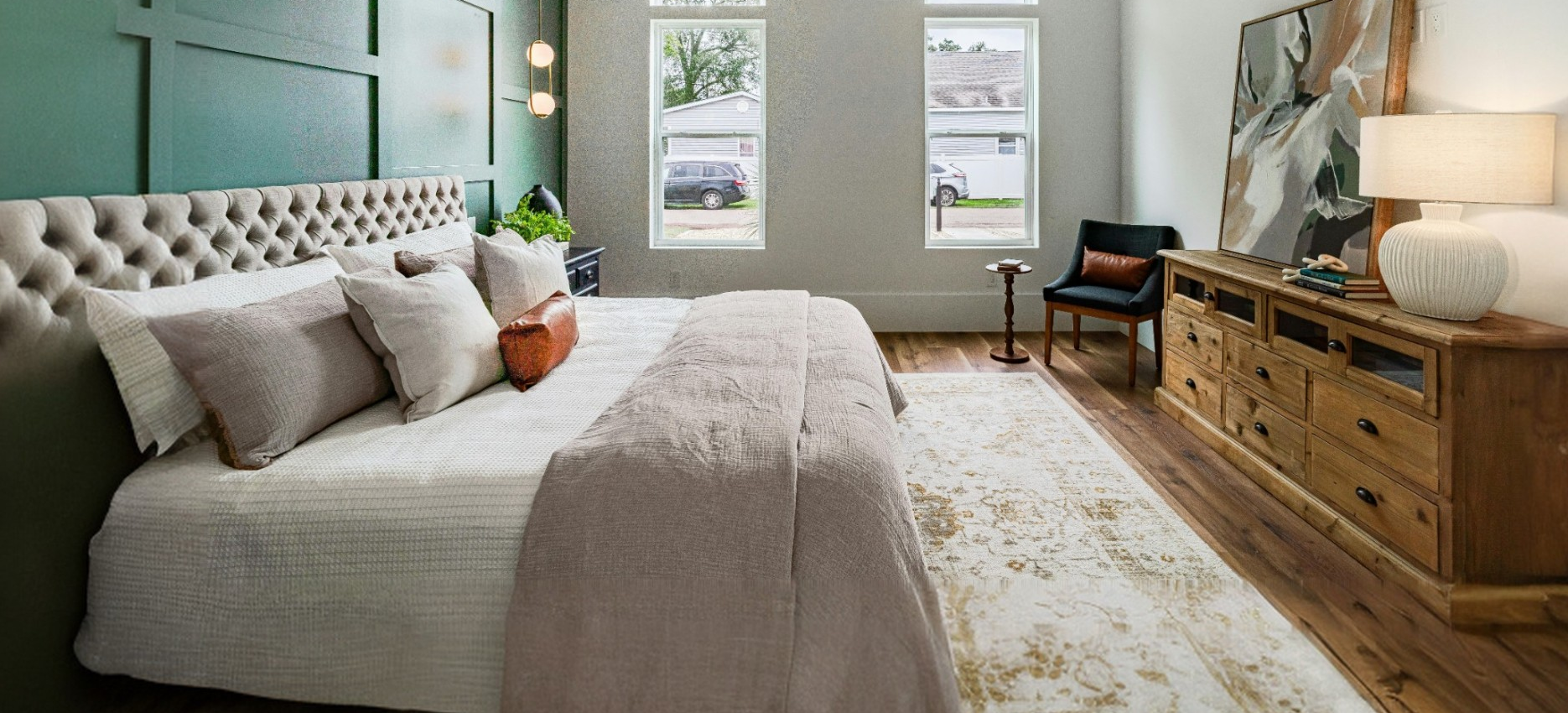

Step-by-Step Designer Bed Styling Guide

A beautifully styled bed can instantly elevate an entire bedroom. It’s often the focal point of the space, and when done well, it creates that effortless, hotel-like feeling that makes a room feel calm, luxurious, and thoughtfully designed.
The secret isn’t expensive bedding or complicated techniques. It’s understanding how to style a bed using intentional layers, balanced proportions, and the right mix of textures. Designers rely on a simple layering formula that creates a polished look while still feeling comfortable and livable.
If you’ve ever wondered why professionally styled beds look so inviting—or struggled with pillows that never quite look right—you’re not alone. Most people simply haven’t been shown the method designers use.
In this guide, we’ll walk through how to style a bed like a designer, step by step. You’ll learn the correct bedding order, how many pillows to use, and the finishing touches that make a bed feel curated instead of cluttered.
By the end, you’ll know exactly how to style a bed that feels layered, balanced, and effortlessly beautiful.
How to Style a Bed Like a Designer
Learning how to style a bed starts with understanding the layering structure designers rely on. While the final look might appear casual and relaxed, it’s actually built on a very intentional sequence of bedding layers.
Each layer plays a role. Sheets provide comfort, quilts add texture, duvets create volume, and pillows bring balance and softness to the composition. When arranged properly, these pieces work together to create the full, inviting look you see in design photos and luxury hotels.

Designer bed styling typically follows this order:
- Sheets
- Quilt or coverlet
- Duvet or comforter
- Euro shams
- Sleeping pillows
- Decorative pillows
- Throw blanket
This structure ensures the bed looks layered without feeling bulky. It also allows you to adjust warmth and comfort easily by folding or removing layers as needed.
Balance, Depth & Texture
Another key element of how to style a bed is proportion. Designers usually work from largest items in the back to smaller accents in the front. This creates visual depth while keeping the arrangement balanced and symmetrical.
Texture also plays a major role. Mixing materials— such as crisp cotton sheets, a quilted coverlet, and a chunky knit throw— adds dimension and keeps the bed from looking flat or overly uniform.
Once you understand the structure, the process becomes surprisingly simple. Instead of guessing how everything should fit together, you’ll have a clear roadmap for creating layered, designer bed styling every time.
Step 1: Start with Crisp Sheets

The foundation of how to style a bed begins with high-quality sheets. They may not be the most visible layer, but they set the tone for both comfort and appearance.
Designers almost always start with crisp, neutral bedding because it creates a clean base that works with any style or color palette. White sheets are particularly popular because they reflect light and make the bed feel fresh and inviting.
Choose Breathable, High-Quality Fabric
Look for materials that feel soft but still maintain structure:
- Cotton percale for a crisp, hotel-style finish
- Cotton sateen for a slightly smoother, softer feel
- Linen for a relaxed, textured look
Breathable fabrics not only improve sleep comfort but also help bedding layers drape more naturally.
Use Proper Sheet Placement
When considering how to style a bed, sheet placement matters more than most people realize.
A typical setup includes:
- Fitted sheet on the mattress
- Flat sheet placed face down
- Flat sheet folded neatly over the duvet or blanket
Folding the top sheet over the upper layers creates a subtle contrast line that looks polished and intentional.
Keep the Base Simple
Avoid heavy patterns at the sheet layer. While patterned sheets can be beautiful, designers usually reserve bold prints for pillows or throws instead.
Keeping sheets neutral allows the rest of the bedding to stand out.
Step 2: Add a Quilt or Coverlet

The next step in how to style a bed is typically a quilt or coverlet. This layer adds subtle texture while helping the bed look structured and complete even when the duvet is folded down.
Unlike a bulky comforter, quilts and coverlets are lightweight. Their primary purpose is visual layering rather than warmth.
Why Designers Use This Layer
Adding a quilt or coverlet creates depth and gives the bed a more finished appearance. Without it, the bed can sometimes feel flat or overly simple.
This layer also becomes useful during warmer months when a heavy duvet isn’t necessary.
How to Position It
For clean, designer bed styling:
- Lay the quilt flat across the entire bed
- Smooth it so the edges align with the mattress
- Allow a small amount of drape over the sides
Some designers prefer folding the quilt halfway down the bed to reveal more of the sheet layer beneath.
Choose Subtle Texture
When selecting a quilt or coverlet, look for textures that add visual interest without overwhelming the space.
Popular options include:
- Matelassé quilts
- Lightly quilted cotton coverlets
- Linen blends
These textures contribute to the layered look that defines how to style a bed professionally.
Step 3: Layer a Duvet or Comforter

The duvet or comforter is the centerpiece of most designer beds. It provides warmth, softness, and visual fullness—making it one of the most important steps in how to style a bed.
Designers often prefer duvets because they allow for interchangeable covers. This makes it easy to update the look of a bedroom without replacing the entire insert.
Achieving the “Fluffy” Look
One of the most recognizable elements of designer bed styling is the plush, cloud-like appearance of the duvet.
To achieve this effect:
- Choose a duvet insert slightly larger than your bed size
- Fluff it regularly to maintain loft
- Use a high-quality cover with enough structure to hold shape
This technique makes the bed appear fuller and more inviting.
Proper Placement
There are two common ways to position a duvet when you layer a bed:
Option 1: Full Coverage
Spread the duvet evenly across the bed for a relaxed, everyday look.
Option 2: Folded Layer
Fold the duvet halfway or in thirds at the foot of the bed for a more structured, designer presentation.
Both options work beautifully depending on the style you’re aiming for.
Keep Colors Balanced
Neutral tones remain the most versatile choice. Shades like ivory, soft gray, or warm beige allow pillows and throws to stand out without competing for attention.
Step 4: Arrange Euro Shams

Euro shams are one of the most effective ways to style a bed like designer. These large square pillows sit at the back of the bed and create height, structure, and visual balance.
Because of their size, they also help anchor the rest of the pillow arrangement.
Standard Euro Pillow Setup
Most beds follow this formula:
- Queen bed: 2 Euro shams
- King bed: 3 Euro shams
Place them upright against the headboard so they create a soft backdrop for the remaining pillows.
Why Designers Love Euro Shams
There are several reasons why euro shams create designer bed styling:
- They introduce height and dimension
- They help frame the bed visually
- They provide comfortable support for reading in bed
Euro shams also allow you to introduce subtle pattern or texture without overwhelming the design.
Fabric and Texture Ideas
Common choices include:
- Linen shams for relaxed bedrooms
- Quilted shams for classic styles
- Velvet shams for richer, layered looks
When determining how to style a bed, this layer often makes the biggest visual difference.
Step 5: Add Sleeping Pillows

Sleeping pillows come next in the designer bed layering process. These are the pillows you actually sleep on, but they also contribute to the overall aesthetic when arranged properly.
When thinking about how to style a bed, it helps to keep these pillows functional yet visually cohesive.
Standard Pillow Placement
Typical arrangements include:
Queen Bed
- 2 sleeping pillows
King Bed
- 2 king-sized pillows or 2–3 standard pillows
Place them in front of the Euro shams for a clean layered look.
Pillowcase Coordination
Sleeping pillows usually match the sheet set or duvet cover. Keeping them consistent maintains visual harmony across the bed.
You can also fold them neatly or place them vertically for a slightly more structured appearance.
Avoid Overcrowding
One common mistake in designer bed styling is adding too many sleeping pillows. This can make the bed feel cluttered and uncomfortable.
Keeping this layer simple ensures the bed remains practical while still looking polished.
Step 6: Finish with Decorative Pillows

Decorative pillows are where personality enters the design. They’re often the final step when you style a bed, adding color, pattern, and texture to the arrangement.
Unlike sleeping pillows, these are purely decorative.
Ideal Number of Decorative Pillows
Most designer beds use 1–3 decorative pillows. This keeps the arrangement intentional without overwhelming the space.
Common setups include:
- One long lumbar pillow
- Two smaller accent pillows
- One large statement pillow
Mixing Textures and Patterns
Decorative pillows are perfect for introducing variety. Try combining linen, velvet, embroidered fabrics or subtle patterns.
This layered texture is a hallmark of professional bed styling.
Keep Proportions Balanced
When deciding how to style a bed, pillow size matters. Decorative pillows should be smaller than sleeping pillows but large enough to feel substantial.
Avoid tiny accent pillows that disappear against larger layers.
Step 7: Drape a Throw Blanket

A throw blanket is the finishing touch that makes a bed feel warm and inviting. It’s also one of the easiest ways to add seasonal texture.
In many designer bedrooms, the throw is what completes the look.
Placement Options
Designers typically use one of three methods:
- Folded neatly at the foot of the bed
- Draped diagonally across one corner
- Loosely folded across the lower third
Each creates a slightly different visual mood.
Texture Matters
Chunky knits, waffle weaves, and soft cotton throws work especially well. These materials contrast nicely with smoother bedding layers.
Seasonal Flexibility
Throws also allow you to adjust the look of your bed throughout the year by swapping colors or materials.
In fall and winter, heavier textures like chunky knits, wool blends, or faux fur instantly make the bed feel warmer and more layered—especially in deeper shades like rust, camel, charcoal, or forest green.
When spring / summer arrive, switching to lighter fabrics such as cotton, linen, or waffle weaves in soft neutrals, airy stripes, or muted pastels helps the bed feel brighter and more relaxed without changing the rest of your bedding.
Other Designer Bed Styling Tips

Once you understand the basics of how to style a bed, a few extra techniques can make the result feel even more polished.
Use Odd Numbers for Accessories
Odd numbers often feel more natural and visually pleasing. For example:
- One lumbar pillow
- Three Euro shams
- Three decorative pillows
Keep the Color Palette Cohesive
Stick to a palette of 2–4 complementary colors. Too many shades can make the bed feel chaotic.
Layer Textures Instead of Patterns
Mixing textures often creates a richer look than mixing multiple bold patterns.
Maintain Symmetry
Symmetry helps the bed look calm and balanced. Most designer bed styles mirror pillows on each side.
Common Mistakes When Styling a Bed
If you’re trying to style a bed like a designer, a few common mistakes can prevent the bed from looking polished.
Using Too Many Pillows
Adding too many pillows is one of the most common bed styling mistakes. While layered pillows can look luxurious, excessive pillows quickly overwhelm the bed and make it inconvenient to use every day.
PRO TIP: A good rule of thumb is to keep the total pillow count between 5 and 7, including Euro shams, sleeping pillows, and one or two decorative accents. This keeps the bed looking styled without feeling cluttered.
Ignoring Fabric Texture
Beds styled with only smooth fabrics—like cotton sheets and a plain duvet—often look flat or unfinished. Texture is what gives a bed visual depth and helps each bedding layer stand out.
PRO TIP: Designers usually mix 2 to 4 different materials, such as crisp cotton sheets, a quilted coverlet, linen shams, or a chunky knit throw, to create subtle contrast and a richer layered look.
Using Bedding That’s Too Small
Undersized duvets or quilts can make a bed look skimpy rather than plush. When bedding barely covers the mattress or doesn’t drape over the sides, it breaks the soft, full appearance designers aim for.
PRO TIP: To create a more luxurious look, many designers choose duvet inserts one size larger than the mattress, which allows the bedding to fall generously over the edges.
Using Flat or Undersized Pillow Inserts
Decorative pillows can sometimes look underwhelming because the inserts are too small.
PRO TIP: Designers typically use inserts that are 1–2 inches larger than the pillow cover so the pillow looks full and structured. Fluffy pillows instantly make a bed feel more luxurious and intentional.
Overmatching Everything
Matching every piece of bedding is a BIG NO-NO and can make the bed feel overly coordinated and visually flat.
PRO TIP: Designer beds usually rely on subtle variation rather than identical fabrics, combining complementary tones and textures within the same color palette.
ROUND-UP: Creating a Beautifully Layered Bed

Once you understand how to layer a bed, the process becomes simple and enjoyable. Designer beds aren’t about perfection or expensive linens— they’re about thoughtful planning, balanced proportions, and comfortable materials.
Start with crisp sheets, build depth with quilts and duvets, then add structure through Euro shams and sleeping pillows. Finish the arrangement with decorative accents and a textured throw.
With this formula, you know exactly how to style a bed that feels welcoming, elegant, and intentionally designed.
The beauty of this approach is that it works with almost any bedroom style— from minimal and modern to cozy and traditional. By adjusting colors, fabrics, and textures, you can create a bed that reflects your personal taste while still following proven design principles.


Leave a Reply